


Drought-Resistant Garden Design: How to Build a Beautiful Garden That Needs Less Water
- Johanna Pẽna

- Jul 28
- 4 min read
Last week we talked about what the hosepipe ban means for your garden right now — the dos, the don'ts, and how to keep things alive through the driest stretch of summer. This week, we want to answer the question that naturally follows: how do you design a garden so this stops being a crisis every time it happens?
Because it will happen again. 2026 has already brought record spring warmth, one of the driest starts to summer in decades, and reservoir levels across the South East sitting well below where they should be. Hosepipe bans are no longer a rare inconvenience — they're becoming a normal part of the British summer. The gardens that cope best aren't the ones watered most carefully during a ban. They're the ones designed, from the outset, to need very little water at all.
Drought-resistant doesn't mean gravel and cacti
This is the misconception we hear most often, and it's simply not true. A well-designed, water-wise garden can be every bit as lush, layered and abundant as a traditional English border — it just relies on plants that are naturally built for dry conditions, rather than ones that need constant intervention to survive.
Think silvery, textural foliage; airy grasses that move in the wind; Mediterranean planting with real structure and scent. Done well, it's not a compromise. For many gardens, it's actually a more sophisticated look.
That said — if a bold, sculptural cacti garden genuinely is your thing, we're not going to talk you out of it. We'd love to design one.
Plants that thrive without regular watering

Once established, the following cope with drought far better than a typical cottage-garden border:
Achillea (yarrow) — flat-topped flowerheads in yellow, white, pink and red, built for poor, dry soils
Ornamental grasses — Stipa tenuissima and similar varieties bring movement and texture while needing almost nothing once rooted in
Verbena bonariensis — tall, airy, and a magnet for pollinators, with real drought tolerance
Echinacea and Achillea — structural, long-flowering, and far more resilient than they look
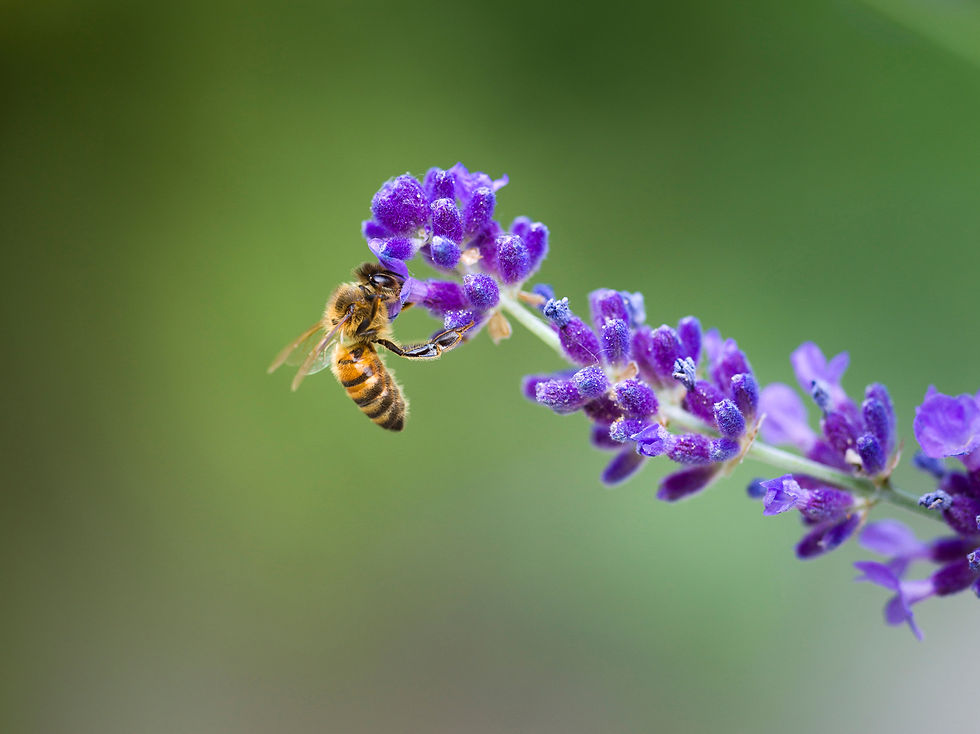
Lavender, rosemary and other Mediterranean shrubs — the classic choice for good reason; bred for dry, sun-baked conditions
Alliums — architectural spring and early-summer interest that needs minimal irrigation
The key principle across all of them: right plant, right place. A drought-tolerant plant in the wrong spot — too much shade, poor drainage, heavy clay — will still struggle. Getting the underlying conditions right is at least as important as the plant list itself.
The infrastructure that does the real work
Planting choice is only half the story. The gardens that sail through a hosepipe ban almost always have three things in common, designed in from the start rather than added as an afterthought:
Drip irrigation, not sprinklers. A hosepipe or sprinkler can use as much water in an hour as a family of four uses in a day. Drip irrigation delivers water directly to the root zone and can cut water use by 70–90% compared with hand watering or overhead sprinklers — and critically, it's usually still permitted during a ban, since it isn't a hosepipe attached to the mains for spraying.
Mulch, everywhere. A generous layer of bark or compost over beds locks in soil moisture, suppresses weeds, and can dramatically reduce how often anything needs watering at all. It's inexpensive, unglamorous, and one of the single most effective things a garden can have.
Rainwater harvesting. Water butts connected to downpipes and, on larger projects, underground attenuation and storage systems mean a garden can bank water during the wetter months and draw on it exactly when a ban makes the mains supply off-limits. On a well-designed system, this can meaningfully reduce a garden's reliance on mains water altogether.
Deep, infrequent watering beats little and often
Even drought-tolerant planting needs proper watering in its first year, while root systems establish. The mistake most gardeners make is watering "little and often" — this encourages shallow roots that stay dependent on frequent top-ups. A thorough, deep soak less often does the opposite: it pushes roots down into the soil where moisture actually persists, and by the second season, many drought-tolerant plants need barely any supplementary water at all.
Designing for resilience, not just for this summer

The gardens we're increasingly asked to design now factor drought resilience in from day one — not as a defensive measure, but as a genuine design principle. That means:
Soil improvement and drainage considered before planting, not after something fails
A planting palette led by what will thrive in a warming climate, not just what looks good on day one
Irrigation designed in at the groundworks stage — much like the bespoke design process behind a luxury garden, so it's invisible once finished rather than retrofitted
Water storage and harvesting built into the landscape design itself
It's a genuinely different way of thinking about a garden — less about fighting the British summer, and more about designing with where our climate is actually heading.
If you're planning a redesign and want a garden that copes with whatever this summer — or next — throws at it, we'd be glad to talk it through.

